


DRINK DRIVING IF YOU DRINK, DON’T DRIVE

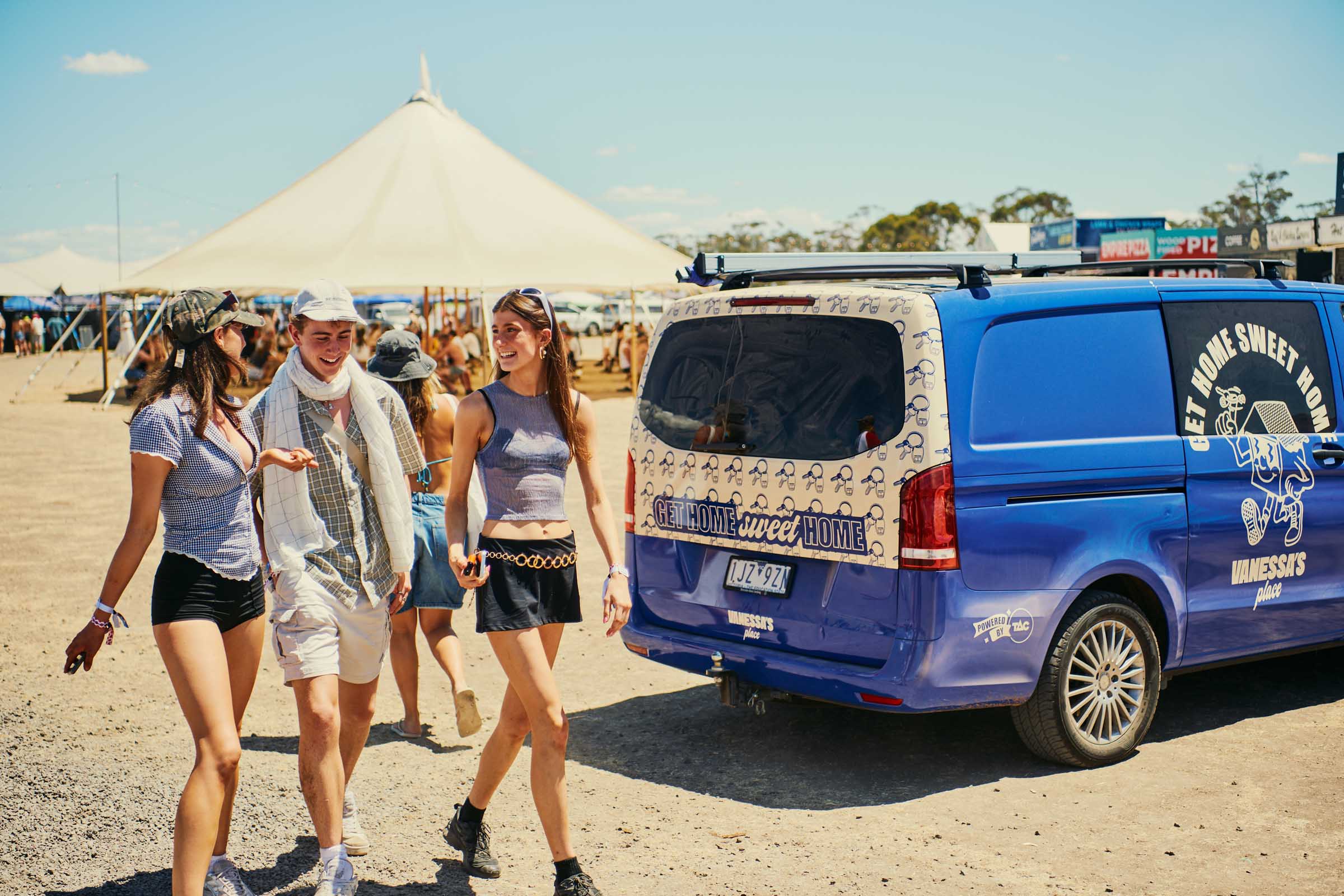
If you’re planning a night out, plan how you’ll get home sweet home, before you head off.

We’d never ask you to give up having fun with your friends at the pub, but if you’re heading out, make sure you’ve teed up a way to get home before it’s actually time to go home. If you’re set on driving, be cool and stick to the softies.

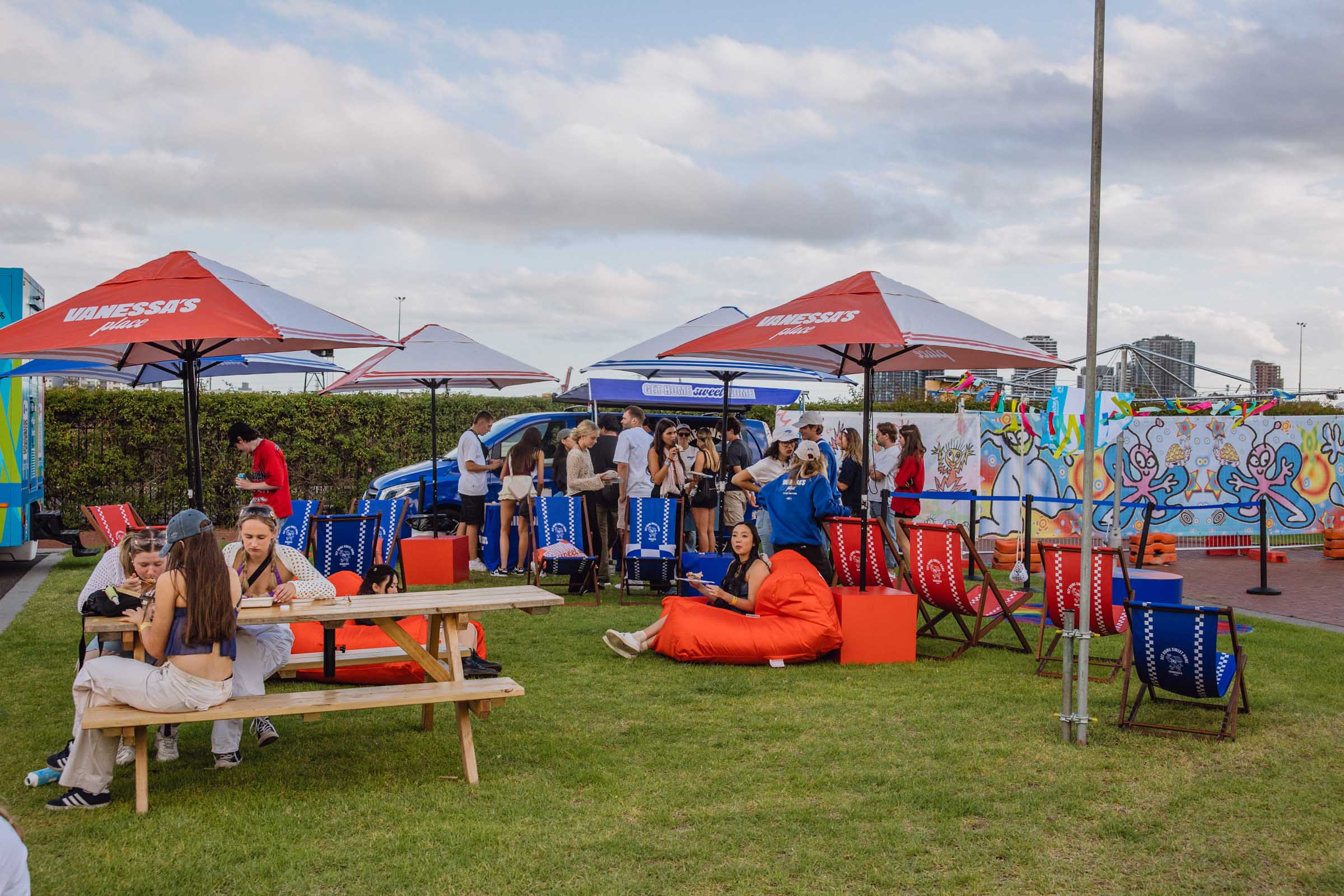
Young people dancing outside

ORGANISE A DESO ROTATION WITH YOUR MATES

CHECK THE BUS OR TRAIN TIMETABLE AHEAD OF TIME

CALLING IN THE OLD FAITHFUL - MUM AND DAD’S TAXI

PRE-BOOKING AN UBER

Avoiding surcharges is a bonus

Young people dancing outside
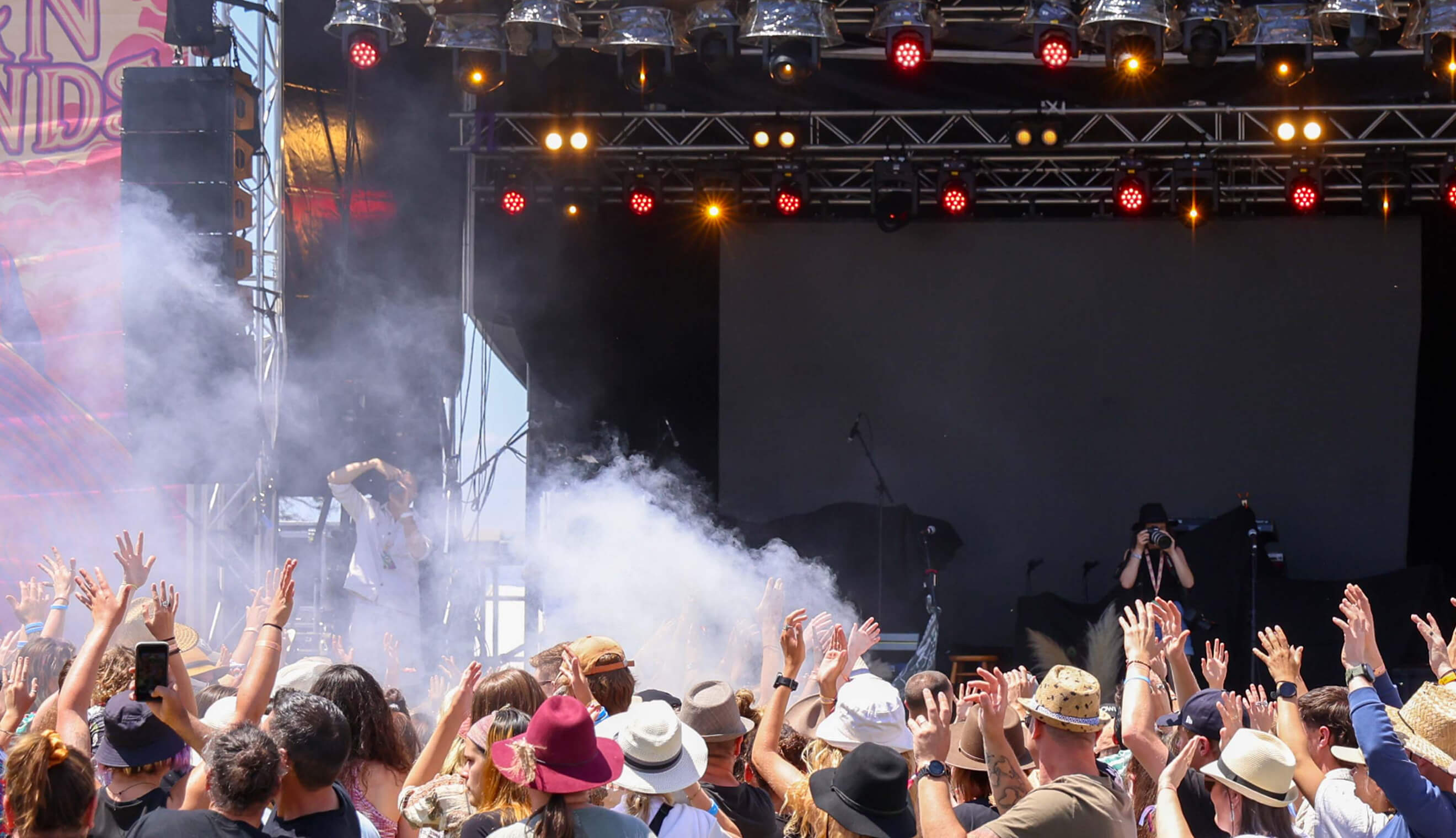
Crowd in front of stage with smoke machine

WHAT HAPPENS IF I DRINK AND DRIVE?

Driving might feel like second nature, but each time you get in the driver’s seat you need top-notch decision making and total concentration.

Alcohol affects your ability to be totally in control of our actions, therefore impacting your ability to drive safely on the road (and a bunch of other things like walking in a straight line and restraining from texting your ex).

O.02 - 0.05 BAC

At 0.02 to 0.05 Blood Alcohol Content (BAC) your ability to see moving lights correctly is reduced. You’re more likely to take risks. Your ability to judge distances and respond to a range of other incidents is also reduced.

0.05 - 0.08 BAC

At 0.05 to 0.08 BAC At 0.08 BAC, you’re five times more likely to have a crash than before you started drinking. Your ability to judge distances significantly reduces again - reactions are slower, and concentration spans become shorter.

0.08 - 0.12 BAC

At 0.08 to 0.12 BAC those driving with a BAC at this level are up to 10 times more likely to have a crash. You are overestimated, and your risk of reckless driving is at an all-time high. Peripheral vision is impaired (resulting in crashes due to hitting vehicles in passing), as well as your perception of obstacles.

Three young people under sun umbrella

THE LEGAL ALCOHOL LIMIT FOR FULLY LICENSED DRIVERS IS LESS THAN 0.05 AND 0.00 FOR P PLATERS

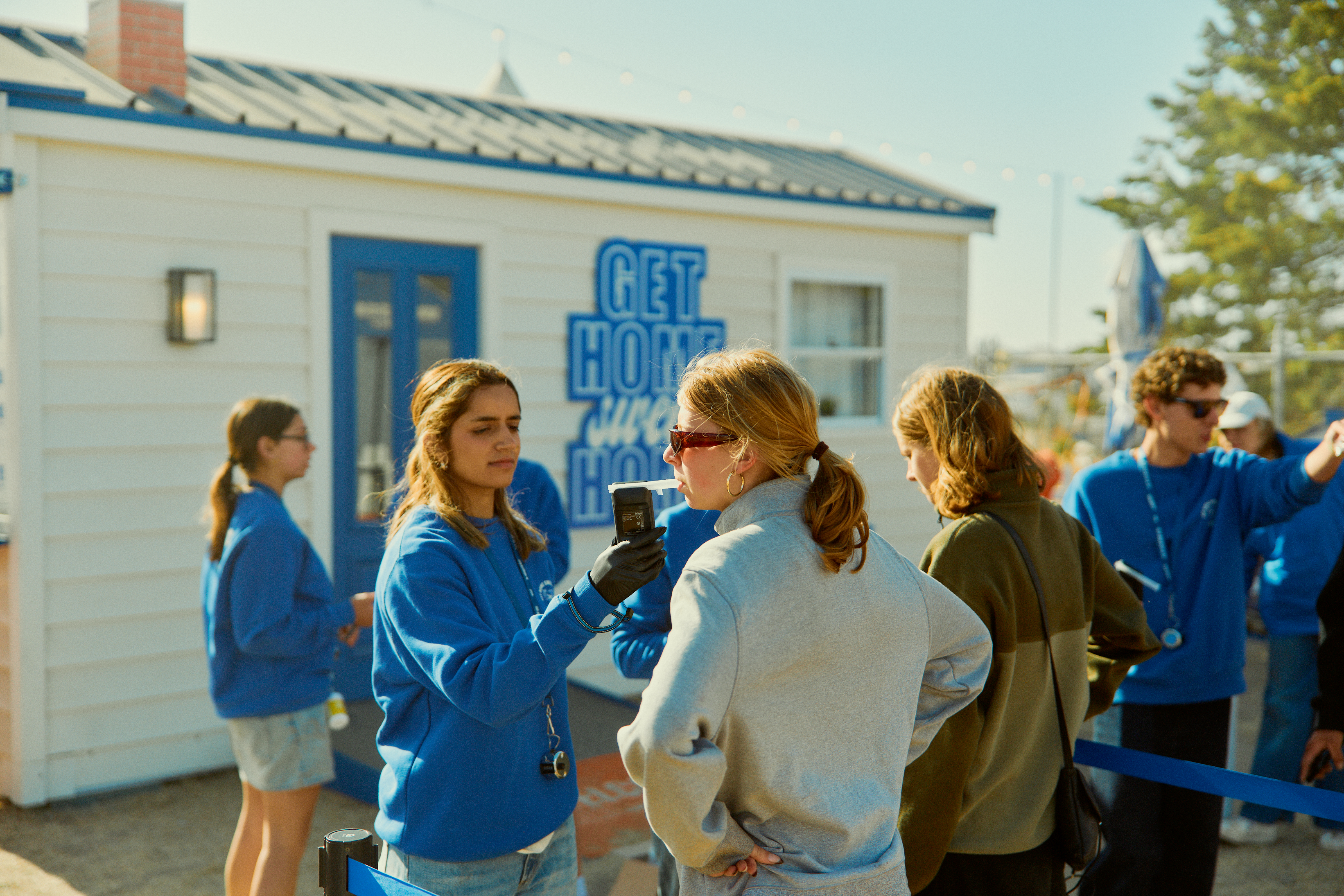
Young woman blowing into breathaliser

IN THE LAST 5 YEARS, 17% OF ALL DRIVERS AND RIDERS KILLED HAD AN ILLEGAL BLOOD ALCOHOL CONCENTRATION (BAC)

HOW WILL IT BE DETECTED?

Drug and alcohol driving offences are most commonly detected:

  • by random breath testing (RBT),
  • by random drug testing (RDT),
  • when stopped or pulled over by police
Crowd in front of stage with smoke machine

THE FALLOUT

Drink driving is a serious offence, and it’s also an offence if you refuse to take a breath test. If you are caught drink driving, you will cop all of the following:

RECEIVE A HEFTY FINE
LOSE YOUR LICENCE FOR A MINIMUM OF 3 MONTHS
REQUIRED TO ATTEND A BEHAVIOUR CHANGE PROGRAM
REQUIRED TO INSTALL AN ALCOHOL INTERLOCK
LIMITED TO A ZERO BAC

If you are a repeat, high-risk or drug offending driver, the police can also apply a vehicle sanction to confiscate your vehicle or licence plates. It may also mean you lose your job, your friends and your family.

THE BOTTOM LINE

Know your limits. The legal alcohol limit for fully licensed drivers is less than 0.05, and for L and P platers it’s 0.00.

If you’re driving, commit to the cause and be the legend of a deso that gets yourself, and your friends home sweet home.

IF YOU DRINK,
DON'T DRIVE

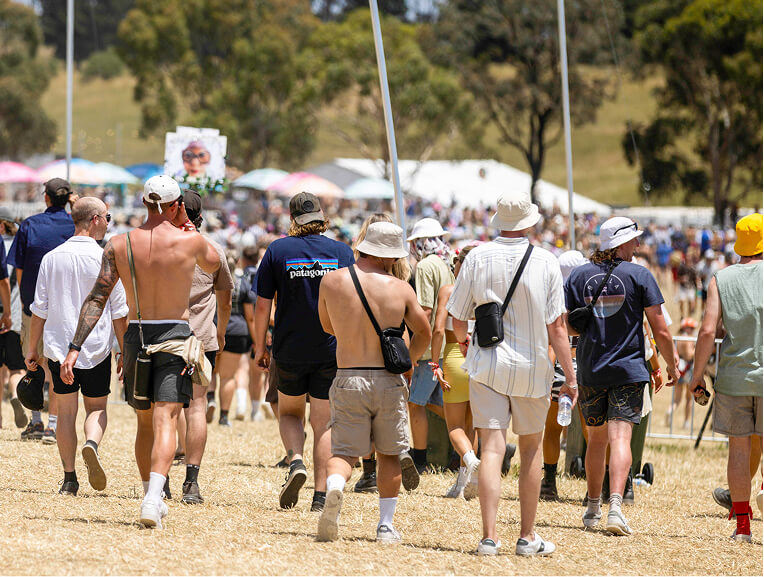
Crowd walking in festival
Staff member handing out flyer